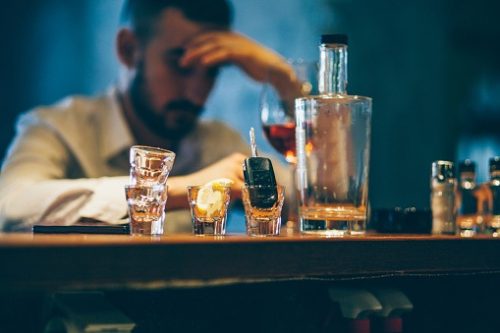
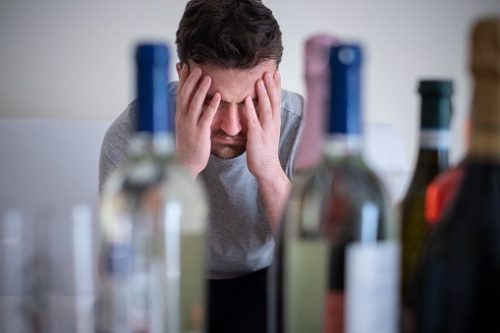
A lot of different social events include drinking, which is usually fun. However, it can also be a cause of disputes, physical health issues, and emotional and mental challenges for a lot of people. It might result from bad choices, a string of unfavorable life circumstances, and fewer opportunities for success. Alcohol dependence can significantly alter a person’s personality, particularly when combined with other difficult issues in life.

Alcohol use disorder, often known as alcohol dependency, is among the most prevalent addictions that people experience. Alcoholism may have a devastating impact on a person’s personal life in addition to having a significant negative impact on every connection they are involved with. The effects on intimacy, partnerships, and marriage are arguably the most profound and harmful. A healthy romantic relationship is destroyed by alcohol, which also leads to distant marriages and intense family unit conflict.
Signs That Alcohol Is Causing Issues in Your Relationships
Drinking Makes You a Different Person
When you drink alcohol, it can completely change who you are. Although every individual reacts to alcohol differently, the way you react might make your spouse uneasy. After drinking, you could feel distant or hostile. Alcohol withdrawal may cause you to behave badly in public or make you appear disturbed. Concerns should be raised about each of these in a relationship.
When Drinking Takes Importance Over Your Relationship
Strong needs and desires to drink can override your feelings, even if you have a great relationship with your significant other. Your alcohol consumption may be influencing relationship issues if, for instance, you’ve canceled plans after a bad hangover or forgotten significant dates. If you have an alcohol use problem, your behavior will probably show that your spouse is not as significant as you think they are. Both the body and the mind are impacted by heavy drinking, and the person who is most affected is sometimes the last to realize how bad things have gotten that even his demographic characteristics can get altered.
You’ve Started Drinking in Place of Some Activities
Suppose you find yourself consuming alcohol more often than engaging in formerly enjoyable activities with your partner or significant other. In that case, you might consider why you are making these decisions. Friends and partners need to engage in enjoyable activities together. It’s also critical to have constructive outlets. Alcohol addiction can be a serious problem when drinking takes a prominent place in all activities.
Alcoholism’s Effects on Relationships
Alcohol misuse in a healthy and functioning relationship can have serious consequences for partners, their children, and other family members, including intimacy or sexual dysfunction issues, mistrust, a lack of communication, innocent defense mechanism, domestic violence or abuse, a lack of emotional availability, financial burden or spending money issues, and negative impacts on kids. Given all these negative consequences, you need to learn how to identify when drinking alcohol might be hurting your romantic relationships and when you should get addiction treatment. Alcohol affects even the most loving and functioning relationship.
Deception And Mistrust
According to the National Institute experts, an individual with an alcohol use disorder may experience serious mental health consequences that render them completely unlike the individual they were before beginning. Over time, those who struggle with alcohol addiction may develop a secretive nature as a way to cope with their anxiety, guilt, or shame. They could fabricate information regarding their whereabouts, social circles, and daily activities to their significant other or family members. As their addiction worsens, individuals could come up with increasingly creative justifications for their drinking issues. A spouse might always hear excuses for missing out, arriving late, or experiencing mood swings.

Lack Of Intimacy
Relationships might suffer from a lack of stability and a strong base. Drinking can exacerbate intimacy problems, which can result in divorce and strained relationships. The definition of intimacy in a relationship is familiarity or closeness. Alcohol abuse by your spouse might harm these elements and make you lose excitement about the commitment and everything related to it. Even while a relationship can function without closeness, it may become difficult because it can lead to feelings of insecurity and unhappiness. The other individual cannot listen to you or pay attention when there is a lack of intimacy.
Lack Of Respect
When the problems mentioned earlier are combined, an alcohol-related disorder can cause negative outcomes in a relationship where there is zero respect. For example, being inconsistent and never meeting your partner’s expectations is disrespectful. It also entails a blatant disrespect for their liberties, feelings, or opinions. They might stop inquiring about their everyday interests as a result. On significant issues, one spouse does not confer with the other. This makes the partner who was insulted feel undeserving. The lack of respect reflects a feeling of inequality, where a particular spouse feels neglected, unheard, or even ignored.
Broken Promises
When the effects of alcohol start to wear on an individual’s physical and emotional well-being, they may start to lose focus on the things that matter, like their loved ones. They might give out false assurances or promises to quit drinking or neglect to show up on significant occasions like birthdays and anniversaries. Relationship obligations may be broken as a result of this. When their loved one is experiencing alcoholism, a spouse may feel as though they are no longer able to rely on them. Anger can develop in a relationship when one partner’s expectations aren’t fulfilled. It’s possible for the promises made to one another to consistently be there for their partner to be completely abandoned in favor of bad and unhealthy drinking habits.
Loss Of Affection
An alcohol addiction significantly changes someone’s personality. Individuals who have the illness may experience increased worry and anxiety regarding their relationship when they are drinking or when they are withdrawing from alcohol. Alcohol consumption may also exacerbate aggressiveness, which in turn raises the possibility of dispute or conflict. They might stop caring about their relationships and become less loving and caring for those they love. The addict’s interest in their significant other eventually wanes as a result of the temporary numbness or euphoric feelings it produces. These feelings could eventually lead people to believe that being in a relationship is a burden that needs to be released.
Financial Troubles
Financial difficulties are a typical reason for stress in partnerships and can result from alcohol addiction. Financial troubles might arise from the expense of alcohol alone, but alcohol use disorders can also result in imprudent expenditure when intoxicated. Additionally, heavy drinkers are more likely to call in sick or arrive at work late. Both can have a negative effect on how well you perform at work or even result in unemployment, which would be extremely expensive. Drinking might weaken your immune system and increase your vulnerability to disease. As your addiction worsens, you may also develop health concerns like pancreatitis and liver difficulties, which could negatively impact and result in expensive medical bills.
Prevent Or Manage Problems With Alcohol In Your Relationship
Alcohol problems or alcohol use disorder is a comprehensive illness that can seriously damage a healthier relationship. Thankfully, there are numerous approaches to dealing with or avoiding alcohol-related issues in your partnership.
Recognize The Signs
Relationships can be severely harmed by alcohol issues, even if it can be harder to tell if you have one if you’re abusing alcohol. Therefore, recognizing the early warning signs and phases of addiction is one of the most effective strategies for preventing alcohol from changing your relationships. Stopping drinking before it becomes an addiction can help avert its terrible consequences. By participating in instructional programs, you or a loved one can learn to recognize the warning signs and negative consequences of alcohol use and prevent alcohol addiction.
Avoid Codependency
If you believe that alcoholism is hurting your relationship, you must take care to prevent being codependent. Maintaining a safe distance is essential to prevent enabling and ensure you don’t grow emotionally reliant on supporting them. Individuals who put their spouse’s needs ahead of their own frequently experience psychological problems like melancholy and low feelings of self-worth. It can be beneficial to get away from the relationship or consider some time off when codependency is affecting you.
Put Yourself First
Relationships, including alcoholism, might make self-care completely unnecessary. Because of this, it’s critical to look after yourself to give the person you love the best care imaginable. Prioritizing your health before helping others is crucial, even though you may feel that severing ties with friends or family is selfish. Being apart will also stop your loved one from pressuring you to transgress boundaries or let the addiction continue. The alcohol affecting your mental and emotional health can be crucial.
Intervene
Partners of individuals impacted by alcohol addiction can step in by assisting them in locating rehabilitation facilities in addition to providing self-care. Even though persuading a loved one to get assistance from a trained professional can be difficult, explaining the advantages of sobriety can frequently encourage them to make the initial effort. An intervention can be beneficial because countless individuals with a substance use disorder think they’re fine. Friends and family members can help their loved ones understand the value of sobriety by communicating honestly, patiently, and compassionately.

Join A Support Group
Individuals who are codependent on somebody who has an alcohol use disorder and those who are addicted to alcohol can benefit from support groups. They frequently assist persons in their recovery journey from codependent relationships. For a family member who requires assistance overcoming the difficulties brought on by alcohol addiction, there are additional support programs accessible. Members of such organizations can talk openly about the effects alcohol has had on their lives in a secure setting. Peers can support and counsel one another during trying times. Support groups frequently offer participants several therapeutic advantages to support alcohol dependent men and women.
Final Thoughts
According to current drug abuse reviews by substance use experts, you typically turn to alcohol to help you get through tough times. Without alcohol, it’s difficult for you to have fun or interact with others. You drink to save yourself from getting angry over bad emotions. You turn to alcohol as a coping mechanism for anxiety, depression, or other psychological issues. However, in excess, it can be harmful and develop into an addiction. Behavioral therapies can stop this from happening if you seek assistance from qualified professionals. With experts’ alcohol research, individuals who are in family therapy can learn coping mechanisms for stress and other factors that could cause them to drink.
Frequently Asked Questions (FAQs)
Why Do People Rely On Alcohol?
Do People Drink As A Coping Mechanism?
Why Does Alcohol Reduce Anxiety?
Is Alcohol A Good Way To Relax And Reduce Stress?
How Does Alcohol Affect Behavior?
How Many People Use Alcohol To Cope With Stress?
How Can Alcohol Affect You Socially?
How Does Alcohol Affect You Physically?
Does Drinking Make Anxiety Worse?
What Is Psychological Dependence?
Why Do People Choose Not To Drink?
What Are The Biological Causes Of Alcoholism?
What Is The Relationship Between Alcohol And Mental Disorders?
Why Do People’s Personalities Change When They Drink?
How does alcohol affect social anxiety?